While on the I.O.W. in March, Eileen and I found this small wood
and we were very excited to watch long tailed Tits building their nest. It is something that I hoped to see one day
however never thought I would see. I
include a few other woodland shots before we found the nest and at the end of
the post I added a few bird photos that we saw in Eileen’s garden when we
called in for a coffee on the same day.
Black Thorn Blossom
Bank of Primroses
Small river running through the centre of this tree!
Although the shots below are mine, they were taken on my previous visit to the island however I added them in here to show those who do not know what these Tits look like. Long tailed tits are recognisable by their undulating
flight, a tail much longer than its small, pinkish body and generally flying in
a small flock, are also known ’flying
teaspoons’. You generally hear them before you see them as they flit along in
small flocks. Well that is just what
happened when Eileen and I were walking through this small wood.
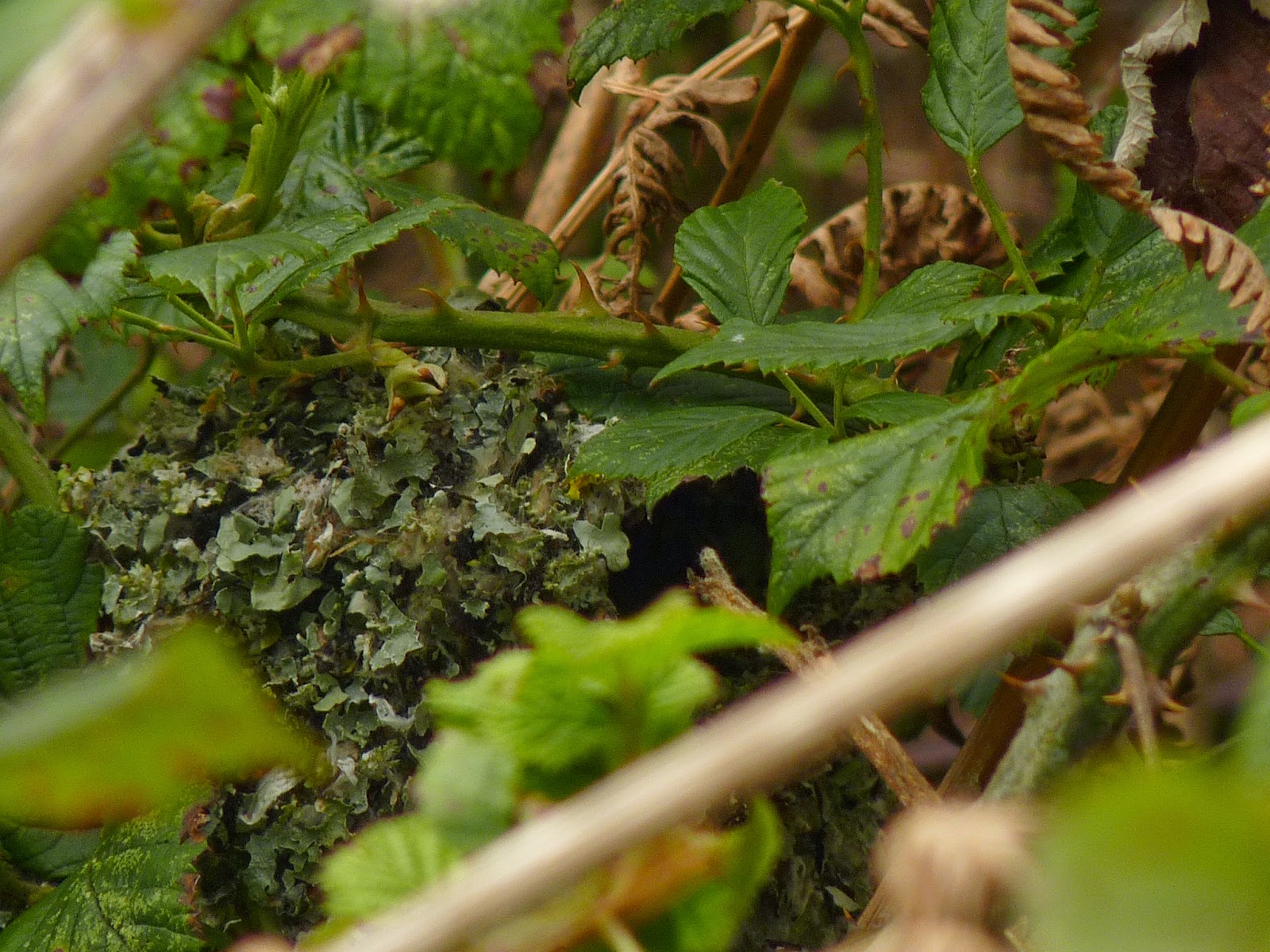
We first heard the Tits, then saw one of them carrying
a feather and we knew that they were lining their nest somewhere. So we stood very still and quiet and waited and
finally we saw both birds enter the brambles.
After they left although very difficult to see, I managed these few
shots. They are early nest builders so
look out for them late February or March, before the leaves open. Their nest is
beautifully elaborate. Nests made of moss, lichen, spiders webs
and lined with feathers.
They often nest in hedges/bushes/brambles or thickets, such
as Hawthorn, Blackthorn and Brambles making them difficult to find,
particularly after the leaves have opened and harder for
predators to reach. The one we have found was deep in the brambles making it very hard to see and even harder to photograph.
The
birds, being small, need insulation as they carry very little body fat. Like a
wren, it is one of a few birds that makes a roof dome over its nest, which
helps to retain warmth. Magpies do the same although that is to protect them
from crows! The delicate nest resembles an old fashioned purse with a small
entrance hole on one side near the top. It is made of moss woven with cobwebs
and hair, finished off with pieces of lichen.
The cobwebs are used to bind the moss to nearby
branches and twigs and allows the nest to stretch slightly, handy if the 6-8
eggs hatch and the chicks get larger! It is also used to weave and stick the
lichen pieces to the outside of the nest, each piece of which is collected by
the birds and held in place by the cobwebs. The dappled effect it makes, really
helps with the camouflage.

Whilst the nest is still open, the male and female
birds line the base with on average over 1500+ feathers! The birds can actually
regulate the temperature within the nest and accurately gauge how many feathers
they need! Prior to the roof being made, the birds will still roost with their
flock mates overnight. Once built though, both birds will roost inside the
nest. This nest was about 4′ 6″ off the ground in a dense thicket of Brambles which itself was along the front edge of a small deciduous woodland. We watched the birds go into this nest, trampling down inside, then snuggle into the cup moving and jiggling
around, I suppose making the inner cup shape of the nest.

When building a nest, searching for all those cobwebs
and feathers requires a lot of time and energy. Being insectivorous and being
early in the year, this must be a difficult time to find their insect food.
Unlike other tits, their beaks are very small and weak. Nor are they capable of
holding an object under a foot in order to hammer it open. So carrying away of a nut, berry or large seed from your bird feeder is not possible. They may
visit your garden feeders with their flock mates(!), with whom they prefer to
roost with overnight in small groups, keeping each other warm. The males bully
their way to the middle, where it is warmer. The colder the night, the closer
they get to each other. Unlike other tit members, they do not roost in tree
holes overnight, even in winter.
Its no wonder that in cold winters the fact
that these birds are more dependent on insects than the other members of the
tit family and their inability to make use of seeds and nuts, many long tailed
tits perish and it can take several years of mild winter weather for their
numbers to become numerous again.
These birds we saw would have been part of a small party of
long tailed tits, throughout the winter months. They break away to make their
nests during the day and return to the roosting flock for the night. Sometimes
I have seen a few blue tits or other tit species tagging along in such daytime
flocks, along with other birds. It is their familiar
‘tsirrip’ sound that usually grabs my
attention before I spot them. Flocking offers them more opportunity to spot
predators and food on a daily basis, as well as learning where food resources
are, such as fat balls in gardens. Food is far harder to spot when alone.
These were high cliffs overlooking the sea where there were a
couple of nesting Fulmar however too far away the photograph.
Chaffinch
There were several Yellowhammer feeding underneath
Eileen’s bird table and although this are not great shots I thought I would include
them.
Last Month I did a complete post about the Long tailed Tit with photographs
and a lot of information and should you wish to see it please CLICK HERE. It included a video of them making a
nest. However I have added another video
in this post from youtube for you to see and this one was very much how we saw
the Tits working although with not so good a view.
It can be accessed at
http://youtu.be/6lUJ17wqRNE
If there is a black space below, click it and the video will appear.
I hope you enjoyed this post and I thank you for
visiting.
Many thanks for comments you left on any of my blogs.