As some of you know I am on the Isle of Wight and for
one of my weeks I am looking after Buddy
(real name Dinky) and here he is waiting for me to take him out. We walked to Quarr Abbey and I showed you
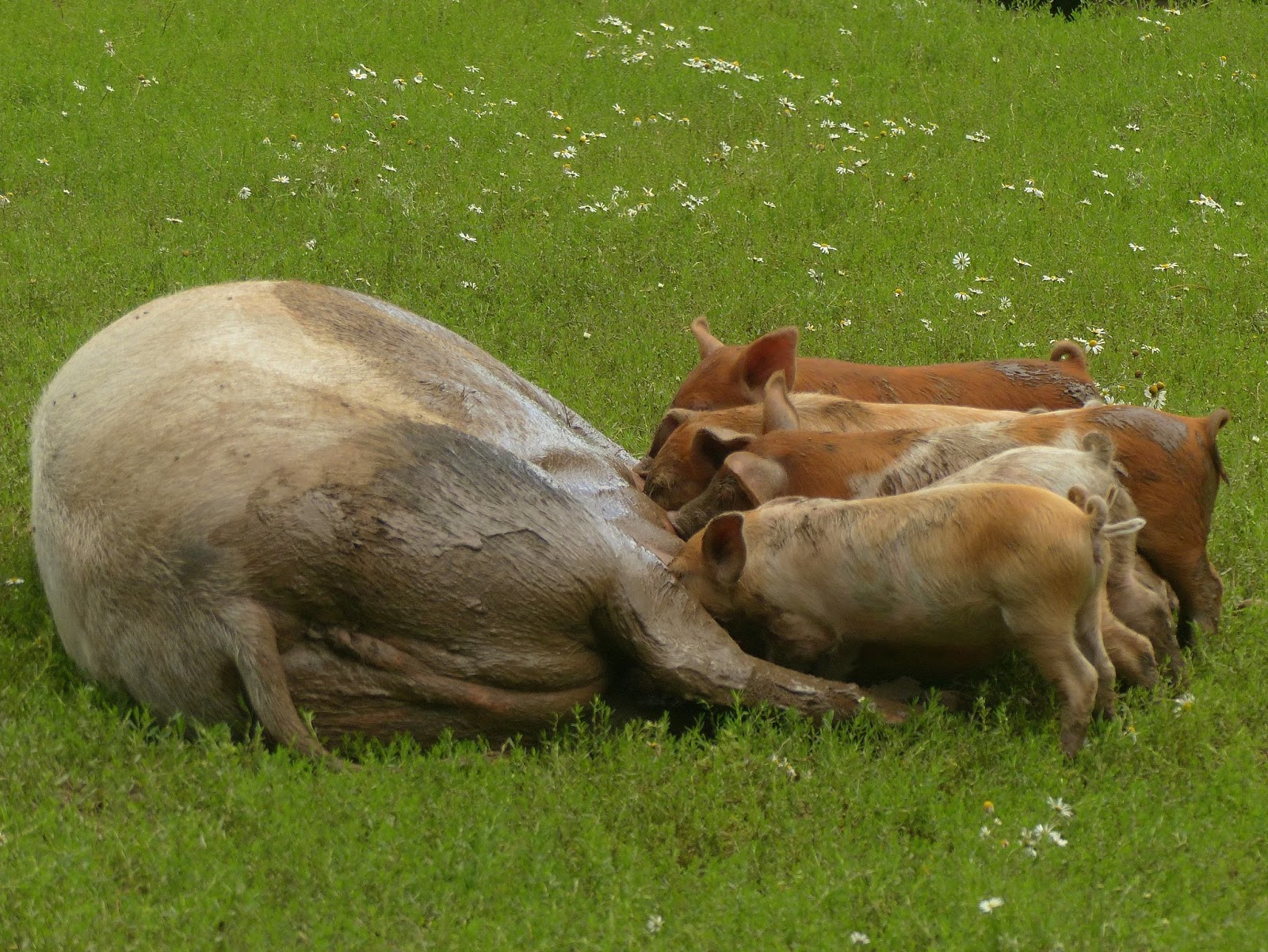
that on THURSDAY POST but we also saw the young piglets feeding and also the slightly
older piglets digging and barking like dogs. (VIDEO at the end of this) We passed 3 horses that were playing Blind Man's Bluff and some larger lambs grazing. We ended up going to a near by beach and watching these two dogs having great fun in the water.
Saturday, 5 August 2017
Friday, 4 August 2017
FRIDAY'S HUNT and WEEKEND REFLECTIONS - Amsterdam Zoo
Today
I am showing you E for Elephants at the Artis Royal Zoo in Amsterdam and am linking
to Fridays Hunt and Weekend Reflections
.Notice 2 different
settings were used. Other words are Happy and Drops.
Now here is a HAPPY Elephant.
I am sure this driver was very unhappy when he returned
to find his car covered in EXCRETA from birds or perhaps you prefer DROPS from bird poo!. Mind you if you do leave your car until a tree that birds roost in,
this is the result!!
It also doubles as
a REFLECTION shot.
Many
thanks for visiting and also for leaving comments
Thursday, 3 August 2017
GOOD FENCES - Walk to Quarr Abbey
At present I am on the Isle of Wight and the other day
I walked with the dog to Quarr Abbey and these are photographs from that
walk. The first few are of the old abbey
first built in the 12 century and then you will see the present abbey in later
images. Also I had another glimpse of
the American aircraft carrier that I showed you on video on THIS POST where you
can see all the planes on board and info about her. I am linking with Good Fences.
This is the Quarr Abbey in the background but that the
other side of that long wall were covered with numerous pears all ripening
beautifully.
In the past I have shared a lot of information and photographs about Quarr Abbey and you will find that in the RHS of the blog
under LABELS and then QUARR ABBEY.
Hope you enjoyed seeing all the fences along my walk today.
Many thanks for visiting and also or leaving comments
Wednesday, 2 August 2017
Furry Animals at Amsterdam Zoo
Now
these shots were taken at the Artis Royal Zoo in Amsterdam
however I am not sure what they are called.
Can anyone please
throw some light on their names for me?
Thanks for Sue from Elephant's Child we now know that the last image is.
Fennec Fox
The Fennec Fox or Fennec (Vulpes zerda) is a small nocturnal fox found in the Sahara
of North Africa. Its most distinctive feature is its unusually large ears,
which also serve to dissipate heat. Its name comes from the Arabic word فنك
(fanak), which means fox, and the species name zerda comes from the Greek word
xeros which means dry, referring to the fox's habitat The fennec is the
smallest species of canid. Its coat, ears, and kidney functions have adapted to
high-temperature, low-water, desert environments. In addition, its hearing is
sensitive enough to hear prey moving underground. It mainly eats insects, small
mammals, and birds.
It has a life span of up to 14 years in captivity
Many thanks for your visit and also your comments.
Tuesday, 1 August 2017
WILD BIRD WEDNESDAY - Amsterdam
Now this is a challenge for you on
WILD BIRD WEDNESDAY. These images were
photographed at the Artis Royal Zoo in Amsterdam and firstly I am showing you
an eye of the bird!
Anyone recognise it?
OK here is a bit more of it.
Got it yet?
Last chance.
Surely some of you have it now?
It is a Southern Ground Hornbill.
This is a large bird, 35.4 to 50.8
in long. Females weigh 4.9 to 10.1 lb, while the larger males weigh 7.7 to 13.7
lb. Among standard measurements, the
wing chord has been measured from 19.5 to 24.3 in, the tail from 11 to 14 in,
the tarsus from 5.1 to 6.1 in and the culmen from 6.6 to 8.7 in.
The Southern Ground Hornbill is characterized by black coloration and vivid red
patches of bare skin on the face and throat (yellow in juvenile birds), which
are generally believed to keep dust out of the birds eyes while they forage
during the dry season. The white tips of the wings (primary feathers) seen in
flight are another diagnostic characteristic.
The beak is black and straight and presents a casque, more developed in males. Female Southern Ground Hornbills are smaller and have violet-blue skin on their throats. Juveniles to six years old lack the prominent red pouch, but have a duller patch of grey in its place.
I have been fortunate to see this bird in the wild in Kruger National Park but obviously did not have as good views of it but someday I will show you those photographs.
Many thanks for visiting and also for leaving comments.
Subscribe to:
Posts (Atom)